
Take Control of Your Health After 40
A comprehensive guide to essential health screening for men over 40. Learn what checks matter most at every age and how to stay proactive about your wellness journey.
- Evidence-based screening recommendations for men 40+
- Age-specific health priorities and prevention strategies
- Actionable steps to optimize your long-term wellness
Stay Informed
Get our latest articles on men's health screening delivered to your inbox.
We respect your privacy. Unsubscribe anytime.
The information on this site is for educational purposes only and does not constitute medical advice. Always consult a qualified healthcare professional before making health decisions.
Why Health Screening Matters for Men Over 40
Regular health screening helps detect potential issues early, when interventions are most effective. Here's what you need to know.
Cardiovascular Health
Heart health becomes increasingly important after 40. Regular screening helps identify risk factors early.
Respiratory Function
Lung capacity naturally declines with age. Screening helps monitor respiratory health and catch issues early.
Bone Density
Men over 50 face increased bone health risks. Early screening helps maintain skeletal strength and mobility.
Preventive Care
Knowing your baseline measurements empowers you to make informed lifestyle choices for long-term wellness.
Your 5-Step Health Screening Journey
A practical roadmap to taking control of your health after 40.
Assess Your Current Health Baseline
Start by gathering information about your current health status. Document any existing concerns, your activity level, sleep patterns, stress levels, and general energy throughout the day. This baseline helps you understand where you stand and what areas may need attention.
Review Age-Specific Screening Guidelines
Different age groups have different priority areas. Men in their 40s should focus on cardiovascular health, metabolic markers, and prostate awareness. Those approaching 50 benefit from additional bone density and cancer screening conversations. Understanding what applies to your age helps you stay focused.
Identify Your Personal Risk Factors
Consider your family history, lifestyle habits, occupational exposures, and personal health history. Some men have higher risks for specific areas based on genetics, work environment, or past experiences. Understanding your unique risk profile helps prioritize which screening areas matter most for you.
Schedule and Complete Your Screening
Work with qualified health professionals to arrange the screening measures that align with your age and risk profile. This might include physical measurements, cardiovascular assessments, metabolic evaluation, or other age-appropriate health reviews. Getting these done provides concrete data to work with.
Create Your Wellness Action Plan
Use your screening results and baseline assessment to develop specific, achievable lifestyle improvements. This might include sleep optimization, movement patterns, nutrition adjustments, stress management, or regular monitoring schedules. Document your goals and review progress regularly to stay accountable.
Essential Health Checks by Age Group
Different age stages have different screening priorities. Here's what to focus on at each phase.
Age 40–45
- Blood pressure monitoring
- Cholesterol assessment
- Weight and BMI baseline
- Physical activity assessment
- Sleep quality review
- Family history documentation
Age 45–50
- Comprehensive cardiovascular review
- Metabolic markers evaluation
- Prostate health awareness
- Vision and hearing screening
- Stress and mental wellness check
- Lung function assessment
Age 50+
- Cancer screening discussions
- Bone density evaluation
- Advanced cardiovascular screening
- Hormone level assessment
- Cognitive and memory screening
- Comprehensive metabolic panel
Expert-Backed Screening Recommendations
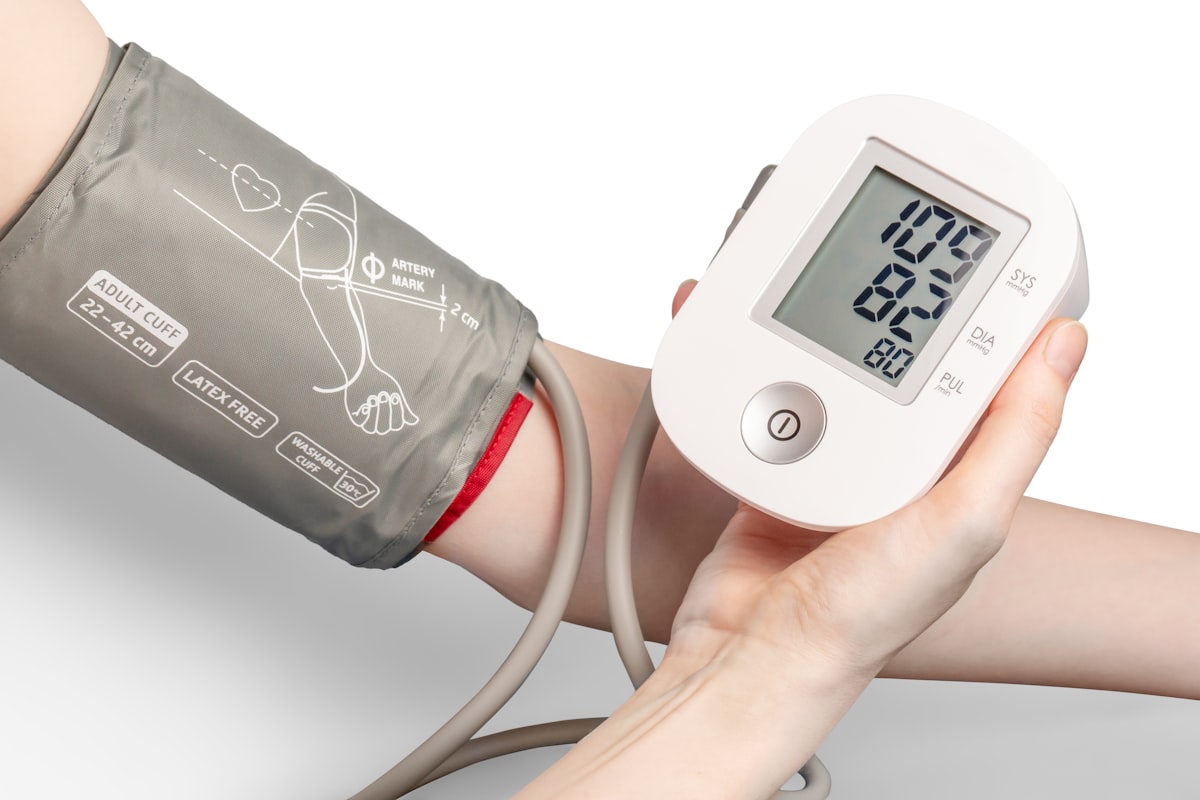
Health organizations worldwide emphasize that men over 40 benefit greatly from proactive screening. The evidence is clear: early awareness of health markers helps inform better lifestyle decisions and enables early conversations with healthcare professionals when needed.
Regular Self-Assessment
Understanding your baseline energy, sleep quality, and physical capability creates a foundation for wellness decisions.
Lifestyle Optimization First
Sleep, movement, nutrition, and stress management form the foundation of preventive wellness. These factors often make the biggest impact.
Professional Guidance
Work with qualified professionals to interpret results and develop personalized action plans aligned with your unique circumstances.
Consistent Monitoring
Tracking changes over time reveals patterns and helps you understand what interventions actually work for your body and lifestyle.
Real Stories from Men Who Took Action (Individual results may vary)
Readers share how learning about health screening changed their approach to wellness.
"I turned 42 and realized I hadn't had any real health assessment in years. This guide helped me understand what actually matters at my age. I've made changes to my sleep routine and started moving more consistently. It feels good to be intentional about my health."
Mark Chen
Manila
"My father had a health scare in his 50s that could have been caught earlier. Reading about screening made me realize I need to be proactive. The age-specific sections were really helpful in understanding what to focus on right now at 46."
Robert Garcia
Cebu
"As someone in my 50s, I appreciated how detailed this guide is about bone health and cancer screening conversations. It gave me concrete questions to ask and areas to discuss with my doctor. Best resource I've found on this topic."
David Reyes
Davao
Common Questions About Men's Health Screening
Find answers to the questions men over 40 typically ask about health screening and wellness.
At what age should screening really begin?
Most health guidance suggests that baseline assessment starting around age 40 gives you important information to work with. If you have a family history of specific conditions or occupational risk factors, discussing screening earlier with a healthcare provider makes sense. It's about understanding your personal risk profile.
How often should I get screened?
Frequency depends on your age, existing results, and personal risk factors. For most men, annual assessment is reasonable, with some measures checked less frequently unless results indicate closer monitoring is beneficial. Work with a healthcare professional to determine what timeline makes sense for your situation.
What's the difference between screening and evaluation?
Screening looks at healthy individuals to identify risk factors or early changes. Evaluation happens when someone has symptoms or concerning results. Both are important—screening helps catch patterns early, while evaluation investigates specific concerns. Understanding this distinction helps you know what to expect.
How can I improve my health between screenings?
Focus on consistent sleep (7-9 hours nightly), regular movement that you enjoy (walking, strength training, sports), eating whole foods, managing stress, and maintaining social connections. These foundational habits often make more difference than any single measure. Start with one area and build momentum gradually.
What if I find out something concerning?
Remember that screening results aren't diagnoses—they're information points that guide next steps. If something stands out, the appropriate response is further investigation by a qualified professional. Most variations are manageable with lifestyle adjustments or targeted attention. The key is having information so you can take action.
Is screening expensive?
Cost varies widely depending on what's included and your location. Many basic measurements (blood pressure, weight, physical fitness) require minimal expense. More comprehensive options vary. In the Philippines, there are both public health services and private options. Start with what's accessible to you and build from there.
Ready to Take Control of Your Health?
Download our comprehensive health screening checklist. Get practical guidance on what matters at your age, step-by-step recommendations, and a framework to discuss results with your healthcare provider.
Questions about our content? We'd love to hear from readers at Session Road 130, Makati or [email protected].